Bulking Workout Plan for Bodybuilding: Training Program to Build Muscle Mass
A successful bulking phase requires more than simply eating more food. While nutrition plays a major role in muscle growth, training is the primary stimulus that triggers muscle development.
Without a well-structured workout program, even the best diet will not produce optimal muscle gains.
This article explains how to design an effective bulking workout plan that focuses on strength progression, muscle hypertrophy, and long-term physique development.
If you are still learning the fundamentals of muscle-building strategies, you may also want to read our main article on bulking bodybuilding tips.
Why Training Is Critical During the Bulking Phase
Resistance training creates microscopic damage in muscle fibers. During recovery, the body repairs these fibers and makes them thicker and stronger.
This process is known as muscle hypertrophy.
When combined with a calorie surplus and sufficient protein intake, hypertrophy leads to noticeable muscle growth over time.
A structured workout plan ensures that all major muscle groups are trained effectively while allowing enough recovery time for growth.
Training Principles for Bulking
Several key principles should guide your training during a bulking phase.
Progressive Overload
Progressive overload is the foundation of muscle growth. It involves gradually increasing the demands placed on your muscles over time.
You can apply progressive overload by increasing weight, repetitions, or total training volume.
Compound Exercises
Compound exercises work multiple muscle groups at once and allow athletes to lift heavier weights.
These exercises produce greater hormonal responses and are highly effective for building muscle mass.
Training Volume
Higher training volume often leads to greater hypertrophy, especially during a bulking phase when calorie intake is higher.
Most bodybuilders perform between 10 and 20 sets per muscle group each week.
Best Exercises for Muscle Growth
Effective bulking workouts should prioritize compound movements that stimulate the largest muscle groups.
Lower Body Exercises
- Barbell squats
- Deadlifts
- Leg press
- Romanian deadlifts
- Lunges
Upper Body Push Exercises
- Bench press
- Incline dumbbell press
- Overhead press
- Dips
- Triceps pushdowns
Upper Body Pull Exercises
- Pull-ups
- Barbell rows
- Lat pulldowns
- Seated cable rows
- Biceps curls
Example Bulking Workout Split
There are several effective training splits that bodybuilders use during a bulking phase.
4-Day Upper/Lower Split
This is one of the most balanced routines for muscle growth.
Day 1 – Upper Body
- Bench press – 4 sets
- Pull-ups – 4 sets
- Overhead press – 3 sets
- Barbell rows – 3 sets
- Biceps curls – 3 sets
Day 2 – Lower Body
- Squats – 4 sets
- Leg press – 3 sets
- Romanian deadlift – 3 sets
- Calf raises – 4 sets
Day 3 – Rest
Day 4 – Upper Body
- Incline dumbbell press – 4 sets
- Lat pulldowns – 4 sets
- Seated rows – 3 sets
- Lateral raises – 3 sets
- Triceps pushdowns – 3 sets
Day 5 – Lower Body
- Deadlifts – 4 sets
- Lunges – 3 sets
- Leg curls – 3 sets
- Calf raises – 4 sets
Training Intensity During Bulking
During a bulking phase, athletes typically train with moderate to heavy weights.
The ideal repetition range for hypertrophy is usually between:
6–12 repetitions per set.
This range allows muscles to experience both mechanical tension and metabolic stress, which are two key drivers of muscle growth.
Rest Periods Between Sets
Rest periods also influence training performance.
- Compound exercises: 2–3 minutes rest
- Isolation exercises: 60–90 seconds rest
Longer rest periods allow you to maintain higher training intensity during heavy lifts.
The Role of Recovery in Muscle Growth
Muscle growth occurs during recovery, not during workouts.
To maximize recovery during a bulking phase, athletes should focus on:
- Sleeping 7–9 hours per night
- Maintaining proper nutrition
- Managing training volume
A well-designed diet is essential for recovery. You can learn more in our article about bulking diet for bodybuilding.
Should You Do Cardio While Bulking?
Some bodybuilders avoid cardio during a bulking phase, but moderate cardiovascular training can provide several benefits.
Light cardio can:
- Improve cardiovascular health
- Support recovery
- Prevent excessive fat gain
Two or three light cardio sessions per week are usually sufficient.
Supplements That Support Bulking Workouts
Many athletes use supplements to enhance training performance and muscle recovery.
Some of the most popular options include:
- Whey protein
- Creatine
- Pre-workout formulas
- Mass gainers
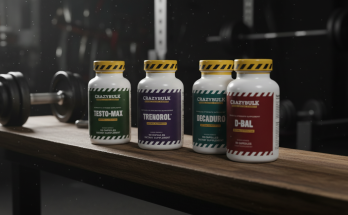
Some bodybuilders also explore natural anabolic supplements designed to support muscle-building results.
One example is the CrazyBulk Bulking Stack, which combines several muscle-building formulas designed to support strength, recovery, and lean muscle development.
Common Training Mistakes During Bulking
Neglecting Progressive Overload
Without progressive overload, muscles eventually stop adapting to training.
Training Too Often
Overtraining can reduce recovery and limit muscle growth.
Poor Exercise Technique
Proper form is essential for both safety and effective muscle stimulation.
Final Thoughts
A well-designed bulking workout plan is essential for maximizing muscle growth.
By focusing on compound exercises, progressive overload, and proper recovery, athletes can significantly increase both strength and muscle size.
When combined with a structured nutrition plan and strategic supplementation, a bulking program can dramatically transform your physique.
If you want to explore supplementation strategies commonly used by bodybuilders during bulking phases, you can read our detailed CrazyBulk Bulking Stack review.