Bulking Bodybuilding Tips: How to Build Muscle Mass Faster
Bulking is one of the most important phases in bodybuilding. During this period, athletes focus on increasing calorie intake, lifting heavier weights, and creating the perfect environment for muscle growth.
However, successful bulking requires more than simply eating large amounts of food. Without the right strategy, many people gain unnecessary body fat instead of lean muscle mass.
This article explains the most effective bulking bodybuilding tips that can help beginners and experienced lifters build muscle faster while maintaining a healthy body composition.
If you want to maximize results during your bulking phase, you should also learn about proper nutrition in our article on bulking diet for muscle growth.
Understanding the Bulking Phase in Bodybuilding
In bodybuilding, bulking refers to a specific training phase where the primary goal is to gain muscle mass. To achieve this, athletes intentionally consume more calories than they burn while following a structured strength-training program.
The extra calories provide the energy required for muscle repair and growth. When combined with progressive resistance training, the body gradually builds larger and stronger muscle fibers.
Most bodybuilders alternate between two main phases:
- Bulking phase – focused on building muscle mass.
- Cutting phase – focused on reducing body fat while preserving muscle.
A well-planned bulking phase allows athletes to increase muscle size while minimizing unnecessary fat gain.
Why Bulking Is Essential for Muscle Growth
Muscle growth, also known as hypertrophy, requires three essential factors: resistance training, proper nutrition, and recovery.
When you perform intense weight training, small tears occur in your muscle fibers. The body repairs these fibers during recovery, making them thicker and stronger.
Without a calorie surplus, the body may not have enough energy to fully support this process.
This is why bulking plays a crucial role in bodybuilding. It provides the nutrients and energy needed to maximize muscle development.
Tip #1: Maintain a Moderate Calorie Surplus
One of the most important bulking bodybuilding tips is maintaining the right calorie surplus.
A surplus of approximately 300–500 calories above maintenance levels is generally recommended. This allows your body to build muscle while minimizing fat accumulation.
Eating excessive calories may lead to rapid weight gain, but much of it will likely come from body fat.
A moderate and consistent calorie surplus usually produces the best long-term results.
Tip #2: Prioritize High-Quality Protein
Protein is the most critical macronutrient for muscle growth. It provides amino acids that the body uses to repair and build muscle tissue.
Most bodybuilders consume between 1.6 and 2.2 grams of protein per kilogram of body weight.
Excellent protein sources include:
- Chicken breast
- Lean beef
- Eggs
- Fish
- Greek yogurt
- Protein shakes
Protein intake should be distributed evenly throughout the day to support continuous muscle recovery.
Tip #3: Use Carbohydrates to Fuel Training
Carbohydrates are the body’s primary energy source during intense workouts. During a bulking phase, carbs help fuel heavy lifting sessions and replenish glycogen stores in the muscles.
Without sufficient carbohydrates, training performance may decline.
Healthy carbohydrate sources include:
- Rice
- Oats
- Potatoes
- Whole grains
- Fruits
Carbs are especially beneficial before and after workouts when muscles require the most energy.
Tip #4: Focus on Compound Exercises
Compound exercises are movements that engage multiple muscle groups simultaneously.
These exercises allow athletes to lift heavier weights and stimulate greater muscle growth.
Some of the most effective compound exercises include:
- Squats
- Deadlifts
- Bench press
- Overhead press
- Pull-ups
If you’re looking for a structured training routine, check our complete bulking workout plan.
Tip #5: Apply Progressive Overload
Progressive overload is the key principle behind muscle growth.
This concept involves gradually increasing the demands placed on your muscles over time.
You can apply progressive overload by:
- Increasing weight
- Adding more repetitions
- Increasing training volume
- Reducing rest time
Without progressive overload, muscles will eventually stop adapting and growth will plateau.
Tip #6: Get Enough Sleep and Recovery
Many beginners underestimate the importance of recovery.
Muscles grow during rest, not during workouts. Sleep is when the body releases growth hormone and repairs damaged muscle tissue.
Most athletes should aim for at least 7–9 hours of sleep each night.
Proper recovery also includes rest days and stress management.
Tip #7: Track Your Progress
Tracking progress is essential during a bulking phase. Monitoring body weight, strength levels, and body measurements helps ensure that your strategy is working.
A steady weight gain of approximately 0.25–0.5 kg per week is generally considered optimal for lean muscle growth.
If weight gain occurs too quickly, it may indicate excessive calorie intake.
Tip #8: Consider Muscle-Building Supplements
Supplements are not a replacement for proper training and nutrition, but they can help optimize muscle-building results.
Some of the most popular bulking supplements include:
- Whey protein
- Creatine monohydrate
- Mass gainers
- Testosterone support formulas
Many bodybuilders also use natural anabolic supplements designed to support muscle growth without the risks associated with illegal steroids.
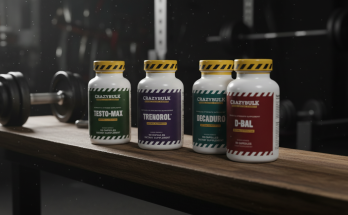
One widely discussed option is the CrazyBulk Bulking Stack, a combination of muscle-building formulas designed to support strength, recovery, and lean mass development.
Common Bulking Mistakes
Eating Too Much Junk Food
Dirty bulking may lead to rapid weight gain, but it often results in excessive fat accumulation.
Skipping Cardio
While the focus during bulking is muscle growth, moderate cardio can support heart health and maintain conditioning.
Inconsistent Training
Consistency is one of the most important factors in bodybuilding success.
How Long Should a Bulking Phase Last?
The duration of a bulking phase varies depending on individual goals.
Most athletes follow a bulking phase for 12 to 24 weeks before transitioning into a cutting phase.
This cycle allows bodybuilders to gain muscle while periodically reducing body fat levels.
Final Thoughts
Bulking is an essential strategy for anyone who wants to build significant muscle mass. By combining a moderate calorie surplus, progressive strength training, and proper recovery, athletes can dramatically improve their physique.
Nutrition, training intensity, and recovery must work together to achieve the best results.
If you are exploring advanced supplementation strategies to support your bulking phase, you may want to learn more about the CrazyBulk Bulking Stack and how it is commonly used by bodybuilders aiming to accelerate muscle growth.