This is where a bulking diet becomes essential. During a bulking phase, bodybuilders intentionally increase their calorie intake to support muscle growth and recovery.
However, bulking is not simply about eating more food. A well-designed bulking diet focuses on the right balance of calories, macronutrients, and meal timing.
If you are new to the concept of muscle-building nutrition, you may also want to read our article on bulking bodybuilding tips to understand how diet fits into the overall bulking strategy.
What Is a Bulking Diet?
A bulking diet is a nutritional strategy used by bodybuilders and athletes who want to increase muscle mass. The primary goal is to create a calorie surplus, meaning you consume more calories than your body burns.
This extra energy supports muscle recovery and growth after intense resistance training.
When combined with progressive overload training, a bulking diet allows the body to gradually build larger and stronger muscles.
How Many Calories Do You Need for Bulking?
The first step in designing a bulking diet is determining your daily calorie needs.
Most bodybuilders start by calculating their maintenance calories. This is the number of calories your body requires to maintain your current weight.
During a bulking phase, athletes typically add an additional 300 to 500 calories per day.
This moderate calorie surplus helps promote muscle growth while minimizing excessive fat gain.
For example:
- Maintenance calories: 2500 kcal
- Bulking calories: 2800–3000 kcal
Macronutrients for Muscle Growth
In addition to total calorie intake, the balance of macronutrients plays a major role in muscle development.
Protein
Protein is the most important nutrient for muscle growth. It provides amino acids that help repair and rebuild muscle fibers after workouts.
Most bodybuilders aim for:
1.6 – 2.2 grams of protein per kilogram of body weight.
High-quality protein sources include:
- Chicken breast
- Lean beef
- Fish
- Eggs
- Greek yogurt
- Protein shakes
Carbohydrates
Carbohydrates provide energy for intense workouts and help replenish muscle glycogen stores.
During a bulking phase, carbs often make up the largest portion of daily calories.
Good carbohydrate sources include:
- Rice
- Oats
- Potatoes
- Whole grains
- Fruits
Healthy Fats
Healthy fats support hormone production, including testosterone, which plays an important role in muscle growth.
Examples of healthy fats include:
- Avocados
- Nuts
- Olive oil
- Fatty fish
Best Foods for a Bulking Diet
Successful bulking diets rely on nutrient-dense foods that provide both calories and essential nutrients.
High Protein Foods
- Chicken breast
- Lean beef
- Salmon
- Tuna
- Eggs
- Greek yogurt
High Carbohydrate Foods
- White rice
- Brown rice
- Sweet potatoes
- Oatmeal
- Pasta
Healthy Fat Sources
- Almonds
- Peanut butter
- Olive oil
- Avocados
Example Bulking Meal Plan
Below is a simple example of a daily bulking meal plan.
Breakfast
- Oatmeal
- 3 eggs
- Banana
Lunch
- Grilled chicken breast
- White rice
- Vegetables
Pre-Workout Meal
- Whole grain bread
- Peanut butter
- Protein shake
Dinner
- Salmon
- Sweet potatoes
- Broccoli
Evening Snack
- Greek yogurt
- Almonds
Meal Timing for Bulking
Meal timing can also influence muscle growth and recovery.
Many bodybuilders prefer eating 4–6 meals per day to maintain a consistent supply of nutrients.
Important meal timing strategies include:
- Eating protein throughout the day
- Consuming carbohydrates before workouts
- Eating a protein-rich meal after training
Hydration and Muscle Growth
Water is essential for overall health and athletic performance.
Proper hydration supports nutrient transport, muscle contractions, and recovery.
Most athletes should aim to drink at least 3 liters of water per day.
Supplements That Support a Bulking Diet
Although whole foods should form the foundation of your diet, supplements can help support muscle growth during a bulking phase.
Some commonly used supplements include:
- Whey protein
- Creatine
- Mass gainers
- Testosterone support supplements
Some athletes also use natural anabolic formulas designed to support muscle-building results.
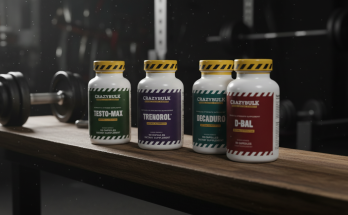
A popular option among bodybuilders is the CrazyBulk Bulking Stack, which combines several muscle-building supplements designed to improve strength, recovery, and lean mass development.
Common Bulking Diet Mistakes
Eating Too Much Junk Food
While dirty bulking may increase calorie intake quickly, it often leads to excessive fat gain.
Not Eating Enough Protein
Without sufficient protein, the body cannot effectively build new muscle tissue.
Ignoring Calorie Tracking
Tracking calories helps ensure you maintain the right calorie surplus for lean muscle growth.
Final Thoughts
A well-planned bulking diet is one of the most powerful tools for building muscle mass.
By focusing on high-quality foods, maintaining a moderate calorie surplus, and supporting your training with proper nutrition, you can significantly improve your bodybuilding results.
To further optimize your bulking phase, some athletes combine a structured diet with muscle-building supplements. If you want to explore this strategy, you can read our full review of the CrazyBulk Bulking Stack and learn how it may support muscle growth during intense training phases.